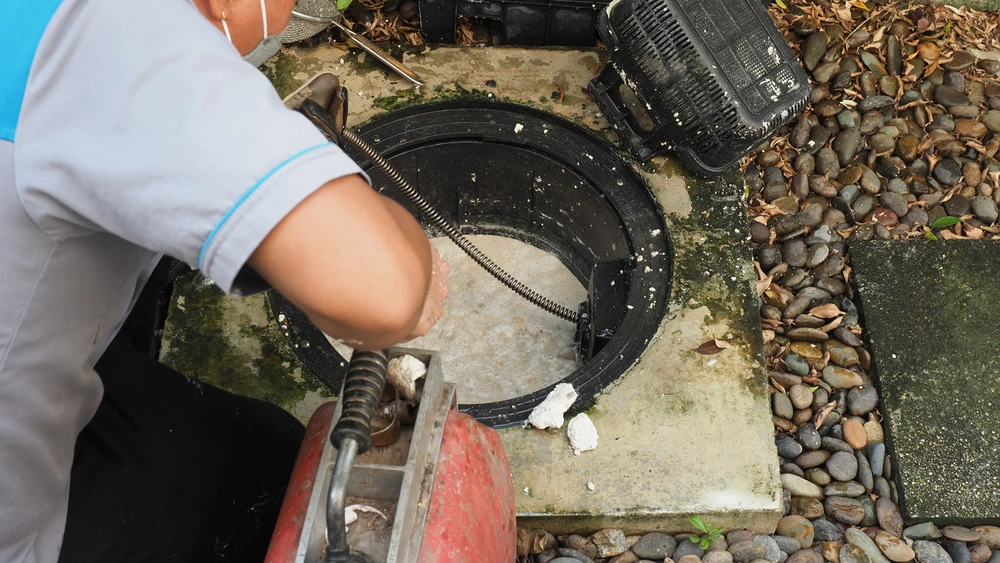
Drain Cleaning Services are an essential part of keeping your home’s plumbing in top condition. Many homeowners don’t realise the importance of regular maintenance until a sink backs up, a toilet gurgles, or unpleasant smells start coming from the drains. These issues are often signs of bigger underlying problems that, if ignored, can escalate into costly repairs and property damage. Professional drain cleaning helps ensure smooth water flow, prevents blockages, and keeps your plumbing system running efficiently.
Over time, drains collect hair, grease, soap residue, and other debris that DIY methods cannot fully remove. Left unchecked, these build-ups can lead to sewage backups, unpleasant odours, and even flooding in your home. Modern techniques like hydro jet drain cleaning and CCTV drain inspections allow plumbers to detect and address hidden problems early, keeping your home safe and your drains flowing freely.
For homeowners, investing in drain cleaning services in Sutherland Shire is a smart choice. Regular maintenance prevents blocked drains, reduces the need for emergency drain service calls, and protects your property from costly repairs, ensuring your plumbing system remains reliable and stress-free.
Common Causes of Clogged Drains in Sutherland Shire
Clogs usually start small, with everyday substances that build up over time. Here are the top culprits in local homes:
Hair and Soap Scum: Bathroom pipes love to grab onto loose hair and soap residue. Over time, a nasty tangle forms that slows drainage and gives bacteria something to feed on.
Grease, Oil and Fats: Kitchen sinks see a lot of cooking mess. Fatty grease and cooking oil solidify in pipes, catching food scraps and gradually plugging the line. Local waste advisories stress that oils and fats should never go down the drain. Even “flushable” grease can eventually cause a blockage.
Wipes and Paper Products: One of the most common surprises is flushable wipes and paper towels. Products advertised as flushable still don’t break down fast enough. In practice, only pee, poo, and (toilet) paper should go down your loo. Anything else, wipes, cotton buds, even stringy sanitary products, belongs in the bin.
Tree Roots: Sutherland Shire is lush and leafy, but those lovely trees have mischievous roots underground. Roots naturally seek moisture, and if they find the tiniest crack in an old sewer or stormwater pipe, they’ll grow right in. Over months and years, they can burst the pipe open, letting dirt in and causing major blockages. While you won’t see this until it’s severe, it’s good to know why random clogs may suddenly happen in an old home.
General Debris: Outdoor drains can catch leaves, gravel or litter. If not cleared seasonally, even these can pile up. Sutherland Shire Councils note that overflowing leaves, litter or oil in stormwater systems are polluting creeks when drains are blocked.
The Dangers of Ignoring a Blocked Drain
It’s easy to think a slow drain or gurgling sound is just a minor annoyance. But small clogs often snowball into big problems. Here are some risks of not dealing with blockages promptly:
Flooding and Storm Damage: In Sutherland Shire’s rainy season, even a few inches of water can cause havoc. Imagine it raining hard on a Saturday morning, and the roof or yard has nowhere to go because the gutters or pipes are clogged with debris. Next thing you know, basements or ground floors can get wet. A minor cleanup could have prevented that stormwater from backing up.
Structural and Property Damage: When pipes back up, water can erode foundations, damage floorboards, or rot walls. A flooded laundry or flooded yard might not sound catastrophic until mould starts growing behind walls or under floors. In other words, a clogged drain can quietly turn into a health hazard.
Sewage Overflow and Contamination: Clogged pipes can cause sewage to overflow into the home or the environment. If a toilet won’t flush properly or a drain cover is gurgling, sewage might find its way up through floor drains. Besides the immediate gross-out factor, raw sewage contains bacteria and viruses that make people sick.
Costly Repairs and Fines: Putting off a plumber can cost you much more in the long run. Every patch-up or replacement costs money. And if a blockage causes damage beyond your property line (say, to the street drain), some councils could come after you for cleanup costs. In short, a yearly preventive check-up could save hundreds or thousands in emergency fees.
Ignoring a blocked drain is a gamble. Do you risk paying more later for water damage and cleanup? Most homeowners would say no. A little preventive action or timely repair keeps your house safer and your wallet happier.
Preventing Blockages: Simple Homeowner Tips
Many drain problems can be prevented with simple habits. Think of these as your home’s “drain maintenance checklist”:
Kitchen Habits: Always scrape plates into the bin before washing. Wipe greasy pans with a paper towel and throw it away, instead of rinsing grease down the sink. Use sink strainers in kitchen drains to catch food scraps and empty them into the trash each day. Never pour cooking oil or fat down the drain; collect it in a container and dispose of it with general waste.
Bathroom Care: Use hair catchers in the shower and bath drains to trap loose hair. Empty them regularly. Remember not to flush anything but toilet paper. Place wet wipes, tissues, and cotton swabs in the bin even if packages say “flushable.” Even flushable wipes have been shown to create “fatbergs” in pipes. That’s why experts simplify the rule: flush only the 3 Ps, pee, poo, and (toilet) paper. Use dribble trays under the sink to catch any unexpected splashes while cleaning.
Outdoor and Storm Drains: Clear leaves and debris from gutters and external drain grates before heavy rains. If your property has stormwater pits or grates, check them seasonally and remove mud or leaf piles. It’s a good idea to keep the area around catchment drains free of grass clippings and garden waste. Even small amounts of dirt and plant matter can wash into the storm drains and build up if unchecked.
Regular Checks: Listen for early warning signs. Gurgling noises when flushing or running water, bad odours, or slow draining are all signals that something’s amiss. When you notice these, take action before it gets worse. Sometimes a hand-plunger or a gentle vinegar flush can temporarily clear small clogs, but don’t rely on chemical cleaners too often; they can damage old pipes and aren’t great for the environment. If basic measures don’t fix the problem quickly, it’s time to call a professional.
Professional Inspection: Even with care, hidden issues like hair-packed pipes or unseen tree root encroachment can build up. Contact a reliable drain cleaning service and schedule a professional drain inspection every 1–2 years. A plumber can use a CCTV camera to peek inside your pipes and catch problems early, often saving time and money.
By adopting these habits, you can dramatically reduce the chance of nasty blockages. Prevention is always easier than an emergency fix.
Residential Drain Cleaning: DIY Tips vs Hiring Pros
For most homeowners, a mix of DIY care and professional maintenance is best. Here’s how to balance it:
DIY Maintenance: You can handle minor clogs. For example, use a hand plunger or a flexible rubber snake for a single sink or toilet clog. Periodically flush drains with hot water or a 1:1 mix of baking soda and vinegar, followed by hot water, to clear mild grease build-up. Always use drain strainers to catch debris in sinks and showers. But remember: don’t pour harsh chemicals into drains. A splash of biological cleaner (active bacteria) is safer for routine use than bleach or acid-based cleaners.
Regular Professional Cleaning: Even with good habits, a professional flush of your main drains every couple of years is wise. A licensed plumber’s hydro jet can dislodge build-up you might miss. They’ll also check traps and vents and ensure everything flows well. Consider scheduling this as part of your spring cleaning or as a general home maintenance.
Know When to Call the Pros: Despite your best efforts, some clogs resist DIY. If multiple drains are slow (sink and toilet at the same time, for instance), or if plunging doesn’t work after a few attempts, stop and call a professional. Also, after any flood or major leak, having a plumber inspect the drains can catch latent problems. Remember: if in doubt, it costs far less to call a plumber than to deal with mould or structural damage later.
By doing your part at home and leaning on experts for the big jobs, you’ll maximise the life of your pipes.
Conclusion
Maintaining clear and functional drains is essential for every Sutherland Shire homeowner. Regular drain cleaning services prevent common drain problems, such as blockages from hair, grease, or foreign objects, and reduce the risk of emergency drain situations. Professional solutions like hydro jet drain cleaning, jet blasting services, CCTV drain inspections, and residential drain cleaning ensure that minor issues don’t turn into major headaches.
Understanding when to act and recognising early warning signs is key. Whether it’s a slow sink, gurgling toilet, or foul odours, timely professional intervention saves you stress and money. Combining simple DIY maintenance with professional services provides comprehensive protection, making your home safer, cleaner, and more comfortable for you and your family.
If you’re looking for reliable and efficient solutions, contact M & P Plumbing. Our expert team provides emergency drain cleaning, residential drain maintenance, CCTV inspections, hydro jet cleaning, and jet blasting services throughout Sutherland Shire. Don’t wait for a blockage to escalate, schedule your service now and ensure your drains are always clear and fully functional.
FAQs:
What usually causes household drains to clog?
Most clogs happen from everyday debris. In bathrooms, hair and soap scum are the top offenders. In kitchens, grease and food bits build up. Flushing non-toilet paper products can pack together in pipes. Tree roots and ground settling can also disrupt pipes over time. Using strainers and throwing appropriate waste in the bin can prevent many of these causes.
How does hydro jet drain cleaning work, and is it better than a simple snake?
Hydro-jetting involves blasting your pipes with high-pressure water through a special nozzle. Imagine a powerful fire hose that travels inside the drain. It cuts through grease and buildup and pushes debris out. Compared to a hand snake, hydro jets are far more thorough; they wash the entire pipe wall, not just punch one hole. For routine blockages, a snake might be fine. For heavy grease or long-standing clogs, hydro-jetting is the superior solution.
When should I call an emergency drain service?
If water is pooling, sewage is backing up, or raw wastewater is visible, treat it as an emergency. Also, call immediately if a toilet or drain gurgles loudly or makes odd noises after flushing or washing, or if foul sewage odours appear. These are warning signs that something major is wrong.
