Sewer problems rarely announce themselves quietly. Strange sewage smells, slow drains, or repeated blockages are often the first hints that something deeper is wrong beneath your property. For many homeowners, sewer line replacement becomes necessary when underground pipes age, crack, or fail. Older sewer systems, especially those made from clay or cast iron, are more vulnerable to damage from soil movement, corrosion, and invasive tree roots.
Homes across southern Sydney commonly rely on sewer infrastructure installed decades ago. Over time, even well-maintained pipes can deteriorate beyond repair. While minor issues may be resolved with cleaning or relining, severe structural damage, collapsed sections, or recurring blockages often mean a full replacement is the safest and most effective solution.
Understanding how sewer line replacement in Sutherland Shire works helps homeowners make informed decisions. From recognising early warning signs to knowing when replacement is unavoidable, being prepared can prevent costly emergencies and protect your property from long-term wastewater damage.
What Is Sewer Line Replacement?
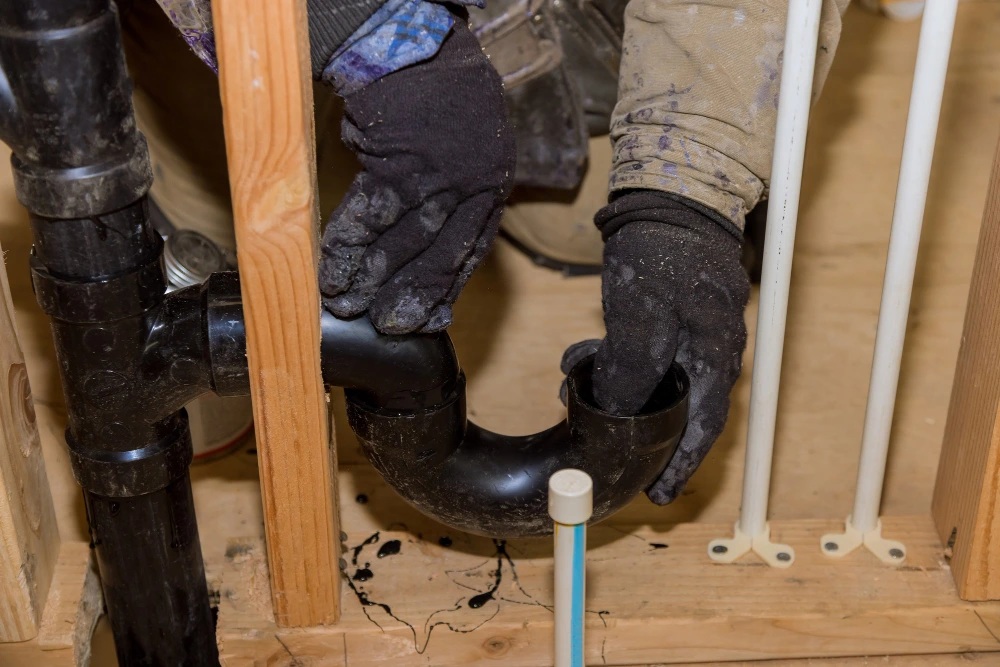
Sewer line replacement is a major plumbing procedure where the old underground sewer pipe (carrying wastewater from your home to the main sewer) is completely swapped out for a new one. This may involve traditional trench excavation or modern trenchless methods (like pipe bursting or pipelining). It’s usually done when repair or relining just won’t solve the problem, such as when a pipe has collapsed, cracked severely, or when blockages keep recurring.
Key reasons for replacement: Sewer pipes can fail over time due to age, ground movement, tree roots or damage. For example, roots from nearby trees can wrap around or invade clay/terracotta pipes, causing cracks and collapse. If your sewer is consistently blocked, emitting foul odours, or your lawn keeps strangely lush spots (from sewage leaks feeding grass), it may signal a failing line that needs full replacement.
Property owners are responsible for the sewer pipes on their land up to the connection with the main sewer. In other words, any replacement work on your private sewer line is up to you. Homeowners must maintain their connection and clear any tree roots at the junction.
Signs You Need Sewer Line Replacement
Recognising the warning signs early can save you time, money and mess. Here are common clues your sewer line may need replacing:
Persistent Blockages in Multiple Drains: If toilets, sinks and showers across your home back up repeatedly even after snaking or jetting, the main sewer pipe might be broken or full of roots. One isolated drain clog is likely a local issue, but multiple fixtures failing suggest a main sewer line problem.
Sewage Smells: Foul odours in your yard or home (especially near floor drains or the sewer access pit) often mean sewage is leaking from the line. Cracks or disconnections can let gas and waste escape before it reaches the sewer system.
Slow Drains Everywhere: Multiple slow-draining fixtures, or gurgling sounds in the plumbing, can indicate a big sewer blockage or collapse. Unlike a minor clog, a sewer-line blockage affects the whole system.
Lush Lawn or Sinkhole: Wet patches of grass, sinkholes or excessively green areas above the sewer line suggest a hidden leak. Escaping sewage acts like fertiliser, and the ground can even subside if the soil washes away.
Structural Damage or Ground Shifting: A sudden gap in concrete, wet basement walls, or depression in your yard may be caused by a collapsed sewer. In extreme cases, collapsing pipes pull nearby ground into the pipe. This is an urgent emergency.
Age and Material of Pipe: Many Sutherland Shire homes built before the 1980s used clay, terracotta or thin cast iron sewer lines. These materials deteriorate faster than modern PVC. If your line is old, prepare for replacement.
Tree Root Intrusion: Trees and shrubs enhance our yards, but their roots can disrupt, block, and damage sewer pipes, often leading to costly repairs. If rooting is severe, relining or small fixes may not hold; replacement might be the only fix.
When you spot one or more of these red flags, a professional inspection can confirm the diagnosis. A licensed plumber will snake and camera the line to locate cracks, roots, breaks or collapses.
Sewer Pipe Relining vs Replacement
Not all sewer problems demand digging up the whole pipe. There are three main approaches to fixing a bad sewer line:
| Method | When to Use | Pros | Cons |
| Spot Repair (Patch) | Short segment damage (small cracks/leaks) | Quick fix; lower cost than full repipe | Doesn’t address the whole pipe; roots can regrow |
| Pipe Relining (Trenchless) | Pipes with root intrusion, small cracks; limited access | No major digging; seals entire pipe; extends life | Not suitable for collapsed pipes or tight bends; limited warranty time |
| Full Replacement | Collapsed/severe damage or aging pipe beyond repair | Permanent fix; new durable pipe; no roots | Higher cost; extensive excavation or complex trenchless bursting |
A qualified plumber will inspect and recommend the best fix. As a rule, relining is great for root/age issues in mostly intact pipes. Spot repairs are quick for tiny leaks. And full replacement is necessary for structural failures. Always balance cost vs longevity: relining can be very cost-effective if it will last the life of the house; if not, rip out and replace with new PVC.
Emergency Sewer Line Replacement
Some sewer problems become emergencies. For example: a sudden sinkhole in the yard, sewage bubbling up in the house, or a complete pipe collapse. In these cases, time is critical to prevent health hazards or property damage. Here’s what to do:
Act Fast: If raw sewage is leaking, shut off water use in affected areas and keep people/pets away. Do not try DIY fixes.
Call a Professional Immediately: You’ll need a plumber experienced in sewer emergencies. In Sutherland Shire, several local plumbing services offer 24/7 emergency dispatch.
Council and Water Authority: Sydney Water runs a 24/7 fault line (13 20 90) for serious sewer issues, but note this is mainly for public mains and pressure systems. The local council may also handle sewer mains problems, but for private lines, you must call a licensed plumber.
Minimise Damage: If safe to do so, place buckets under leaks and clear valuables. The plumber will likely use CCTV to inspect the pipe to locate the break. If replacement is needed, they’ll plan the quickest solution.
Safety & Permits: Repairs involving excavation on public land or road require permits. The plumber should handle permits or council notifications as needed.
Preventing Sewer Problems
Once a new sewer line is in, prevention keeps it healthy. Here are tips to extend its life:
Watch What Goes Down: Never flush wipes, grease, sanitary products or fibrous materials; these clog pipes. Use drain screens to catch hair and food.
Tree and Garden Care: Since roots cause many sewer issues, plant non-invasive species far from the line. For example, avoid aggressive trees like figs or eucalypts close to your pipe. Regularly prune trees near pipes to minimise root intrusion.
Regular Inspection: Consider a sewer CCTV inspection every few years, especially for older homes. Early detection of cracks can let you fix problems before a replacement is needed.
Avoid Overloading Drains: Don’t use the sewer line to drain stormwater unless properly plumbed. Council rules forbid stormwater in sewer drains, which can overload them.
Maintain Access: Know where your sewer access point or inspection shaft is. Keep it clear so plumbers can reach the line easily.
Over time, any buried pipe can degrade. But careful use and landscaping can delay replacement. If trees or shrubs are likely culprits, check the soil and pipe every few years.
Hiring a Licensed Plumber and Regulations
Replacing a sewer line is complex and subject to regulation. In NSW, only licensed plumbers/drainers can legally work on sewers. This is both for safety and compliance with building codes.
After replacement, you may need a compliance certificate from a plumber or a council inspection to show the work meets standards. Sutherland Shire Council will want to ensure the new pipe follows the required grades, joint types and depth. Cutting corners can be dangerous and illegal.
Quick checklist when hiring a plumber:
- Ensure they have a current NSW plumbing licence (ask for licence number).
- Ask if they provide free camera inspection or quotes.
- Get a fixed price if possible (avoid surprise “urgent work” mark-ups).
- Confirm who will handle any road cuts or council permits (the plumber’s job).
- Demand a written warranty (at least 12 months) on the work.
By law, Sydney Water (the state utility) won’t maintain private sewer pipes beyond the junction. Their policy states they “won’t maintain any other part of your wastewater pipes” unless under a special agreement. In short, the new sewer line on your property is your responsibility to repair and replace as needed.
Conclusion
Sewer line issues can quickly escalate from minor inconvenience to serious property damage if ignored. Throughout this guide, we’ve covered the key warning signs of sewer failure, the difference between repairs, relining, and full replacement, and why older pipes are more prone to collapse, root intrusion, and recurring blockages. Understanding these factors helps homeowners act early and choose the most cost-effective, long-term solution.
We also highlighted the importance of knowing your responsibilities as a homeowner, emergency response steps, and how licensed plumbers ensure work complies with NSW regulations. Whether it’s CCTV inspections, trenchless relining, or full sewer line replacement, the right approach depends on the pipe’s condition, age, and location. Prevention, regular inspections, and professional advice remain the best defence against unexpected sewer emergencies.
If you’re experiencing sewer problems or want expert advice, M&P Plumbing can help. We provide sewer line replacement, pipe relining, blocked drain solutions, CCTV inspections, and emergency plumbing services. Contact us today to book an inspection and protect your home with trusted local professionals.
FAQs:
What are the common signs that need a sewer line replacement?
Look for frequent clogs in multiple fixtures, persistent sewage odours, slow drains in various outlets, or sinkholes/wet patches in your yard. These indicate major blockages or leaks in the main sewer pipe. Also consider the pipe’s age and material: old clay or cast-iron lines often fail due to roots or corrosion. If you see these signs repeatedly, a CCTV inspection can confirm the need for replacement.
How does sewer pipe relining compare to a full replacement?
Pipe relining is a trenchless method where a cured resin liner seals the existing pipe from the inside. It strengthens and waterproofs the old pipe, blocking root ingress. Relining avoids digging up your yard and usually costs less than a full dig-up. However, it only works if the original pipe is mostly intact. A full replacement removes the old pipe and installs new PVC, which is more expensive and disruptive but permanent.
Who is responsible for repairing or replacing the sewer line on private property?
In NSW (including Sutherland Shire), the property owner is responsible for all private sewer pipes up to the junction with the public sewer. Your local council or Sydney Water only maintain the sewer main beyond that point. If the problem is on your side of the junction, you must hire a licensed plumber to do the repair or replacement. Always check that your plumber provides a compliance certificate if required.
