
Hot water is one of those everyday essentials you rarely notice, until it’s gone. From early morning showers to late-night dishwashing, it quietly supports your daily routine. That’s why understanding hot water installation is so important for homeowners who want comfort, safety, and long-term reliability without unexpected disruptions.
Installing or replacing a hot water system is not just a technical upgrade; it’s a decision that affects your energy bills, water efficiency, and home safety. System type, household size, pressure requirements, and compliance with NSW plumbing standards all play a role in getting the job done correctly. When these factors are properly considered, the result is a system that performs consistently and lasts for years.
This guide is created to help you make informed choices about hot water installation in Sutherland Shire, giving you a clear understanding of local requirements, system options, and installation best practices, so you can move forward with confidence and avoid costly mistakes.
Hot Water System Installation Options in Sutherland Shire Homes
First, let’s explore the main types of hot water systems available to Sutherland Shire homeowners. Each option has its trade-offs in cost, efficiency and suitability:
Solar hot water system
These use roof-mounted solar collectors with a booster (gas or electric). Solar hot water system often the most energy-efficient choice. In other words, letting the sun heat your water can slash your carbon footprint and bills. They tend to cost more upfront, but STCs or rebates may help.
Heat pump hot water system
Heat pump systems run on electricity but use a refrigerant cycle to pull heat from the air. They typically use only about 25% of the energy of an equivalent electric storage heater, saving hundreds of dollars per year. Heat pumps are highly efficient, and NSW incentives make them more affordable.
Gas-boosted system (continuous or storage)
Gas systems use natural gas and usually have storage tanks or instant-flow units. Gas units can offer hot water on demand with lower running costs than pure electric, and modern high-star ratings improve efficiency. Higher-star gas systems are better for emissions. Installation needs proper venting of flue gases and safe gas connections.
Electric storage water heater
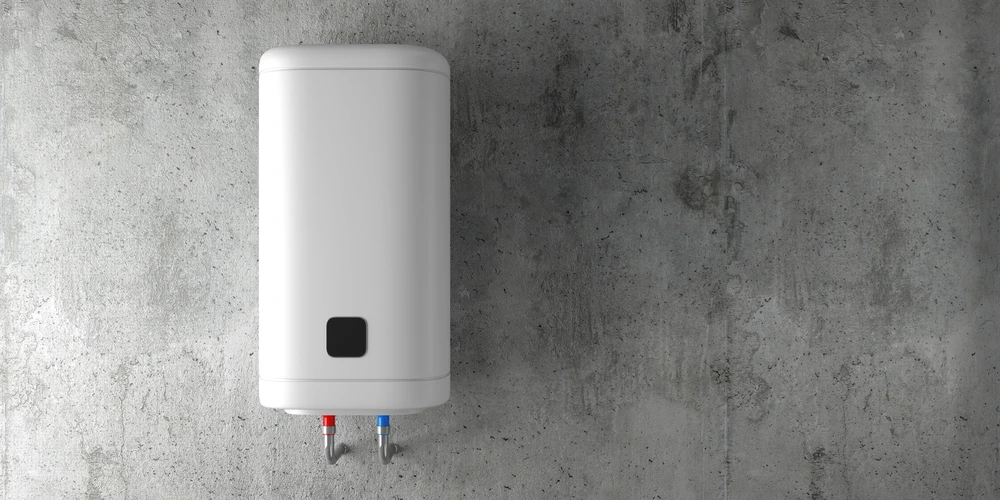
The classic “geyser” stores and heats water in a tank. It’s cheap to buy and simple to fit, but use more electricity overall. In Sutherland Shire, it’s often run on off-peak tariffs. Electric tank heaters work in any home (no venting needed), but over time, they cost more in power.
Water Heater Installation Requirements and Compliance
Installing or replacing a water heater isn’t just about mounting a tank or panel. Licensed installers and safety rules are essential. In NSW, any plumbing, draining or gasfitting work must be done by a licensed professional. This includes connecting your new hot water system to water, gas and power. Working without a licence is illegal and can incur heavy fines, and it may void insurance or warranties.
Key compliance points to keep in mind:
Licensed installer: Always hire a plumber with the right NSW licence. Your installer’s credentials can be verified on Service NSW or by requesting their licence number.
Standards and Codes: Installations must follow the Australian/New Zealand plumbing standards (AS/NZS 3500 series) and the Plumbing Code of Australia. In practice, this means your installer should fit safety valves, isolation taps, and tempering valves and ensure proper insulation and support per code.
Permits and regulations: In most cases, replacing an existing water heater does not require a building permit, but gas heaters might need gas safe inspection and compliance. Check with Sutherland Shire Council if uncertain. Be aware that special hot water systems are regulated for Legionella risk, but standard home systems are not individually registered. However, it’s a good practice to deliver heated water to taps at at least 60°C at the source to minimise bacteria growth; aligning with public health advice.
Product Certification: Any new heater or tank must be WaterMark certified (approved for plumbing use). This is enforced via building codes, ensuring your equipment meets quality and safety standards. Usually, this is handled by your supplier/installer, but you can ask to see the certification or labels on new units.
New Hot Water Installation: Steps and Considerations
When installing a new hot water system, careful planning makes life easier. Here are the typical steps and tips for Sutherland Shire homeowners:
Assess Your Needs: Consider household size, layout, and hot water demand. A larger family needs a bigger tank or a continuous flow unit, whereas a couple or a single person can manage with a smaller system. If you have high-pressure gas or off-peak power tariffs, factor those in too.
Choose the Right System: Refer back to the options above. In Sutherland Shire’s sunny climate, solar or heat pump systems often deliver great savings. If upgrading solely for energy efficiency, an electric heat pump is typically a top choice, while solar is unbeatable if you already have space and panels. Gas heaters still work well if you have an existing gas supply.
Get Quotes from Licensed Plumbers: Obtain multiple quotes to compare price and scope. Make sure each quote includes all work: removal of old unit, supply of new valves/fittings to meet codes, connections to services, and commissioning/testing. Ask providers specifically about the plumbing codes (AS/NZS 3500) and any BASIX or council requirements for your case. A good installer will outline what’s included and ensure you know exactly what’s covered.
Check Incentives: NSW currently offers incentives on certain hot water upgrades. Make sure your installer is aware of any rebates and that the system is eligible (e.g. on the Clean Energy Regulator’s approved list). This can reduce your upfront cost significantly.
Installation Process: On the installation day, the licensed plumber/electrician/gasfitter will turn off services, drain and disconnect the old unit, install new piping/valves as needed, and fit the new heater or panels. They’ll follow safety checks (pressure tests, leak tests, electrical checks). The new system must be set up level and secure, and that ventilation (for gas units) or airflow (for heat pumps) is adequate. After installation, they should demonstrate how to operate it and adjust any timers or thermostats.
Final Checks: Once installed, make sure your plumber provides the compliance certificates or permits as required. They should also give you any documentation. Keep these on file.
Disposal of Old System: Don’t worry about the old heater; a professional installer will take care of it. This means you won’t be left with a greasy tank in the backyard; they’ll handle removal according to regulations.
Following these steps helps ensure a smooth new hot water installation. A properly executed replacement means years of trouble-free hot water.
Conclusion
Choosing the right hot water system and ensuring it is installed correctly makes a lasting difference to your home’s comfort, safety, and energy efficiency. From understanding system types and compliance requirements to knowing when to act in an emergency, this guide has shown how proper planning and licensed installation help prevent breakdowns, reduce long-term costs, and deliver consistent performance for years to come.
Whether you’re upgrading an old unit, planning a new installation, or dealing with a sudden failure, having the right knowledge allows you to make confident decisions. A well-installed system not only protects your property but also ensures your household enjoys reliable hot water every day, without stress, delays, or unnecessary repairs.
If you need expert support, M&P Plumbing provides complete plumbing solutions, including hot water installations, repairs, emergency plumbing, drainage, leak detection, and general plumbing services. Let our experienced team take care of everything from start to finish. Contact us today to request a free quote to get fast, professional assistance you can trust.
FAQs:
Who can legally install hot water systems in Sutherland Shire?
By law in NSW, any plumbing, gas or electrical work (including hot water systems) must be done by a licensed professional. This means your installer should be a credentialed plumber (and a licensed electrician or gasfitter if the job involves electrical or gas work). Using unlicensed tradespeople is illegal and risky.
Which hot water system is most efficient?
Solar hot water systems (with gas or electric boosters) are generally the most energy-efficient choice. After solar, air-source heat pumps are very efficient too, often cutting energy use by 75% compared to standard electric tanks. Gas systems with a high star rating are next in line. Electric storage tanks are the least efficient but may still suit smaller needs.
What should I do in a hot water emergency?
First, turn off power/gas and water to the heater if you suspect a leak or hazard. Then call an emergency licensed plumber right away. Local 24/7 plumbing services can fix leaks or install a replacement system. Have a backup plan (like a temporary kettle heating) if showers are cold, but professional help is the key; don’t delay on urgent repairs.
